
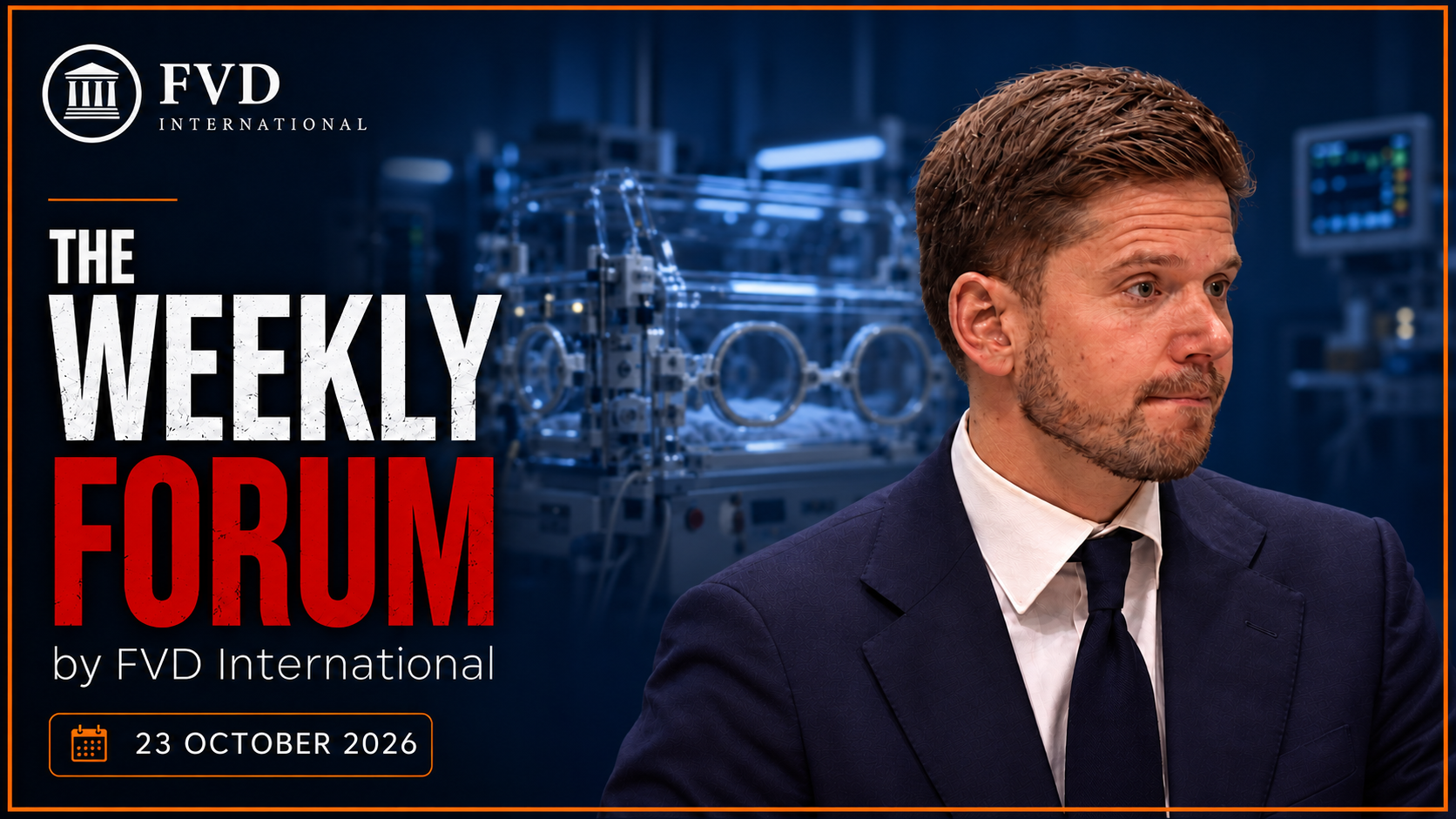
In Dutch hospitals, and no doubt in those of other European countries, premature babies born at 23 weeks are left to die. They are refused intensive care, even though they would have a good chance of survival if they were given it.
This is because of abortion ideology. According to that ideology, it is all right to terminate a pregnancy if the foetus is not viable outside the womb. This viability is said to begin at 24 weeks. It is a strange and macabre argument because, without abortion, the foetus would obviously stay inside the womb until term. But the horrific experience of premature babies being left to die in their mother’s arms demonstrates that even the hypothesis about viability is a lie. FVD MP Gideon van Meijeren raised this with passion in the Second Chamber of the Dutch Parliament recently.
Listening to his speech will make your blood run cold.
Gideon van Meijeren's speech →
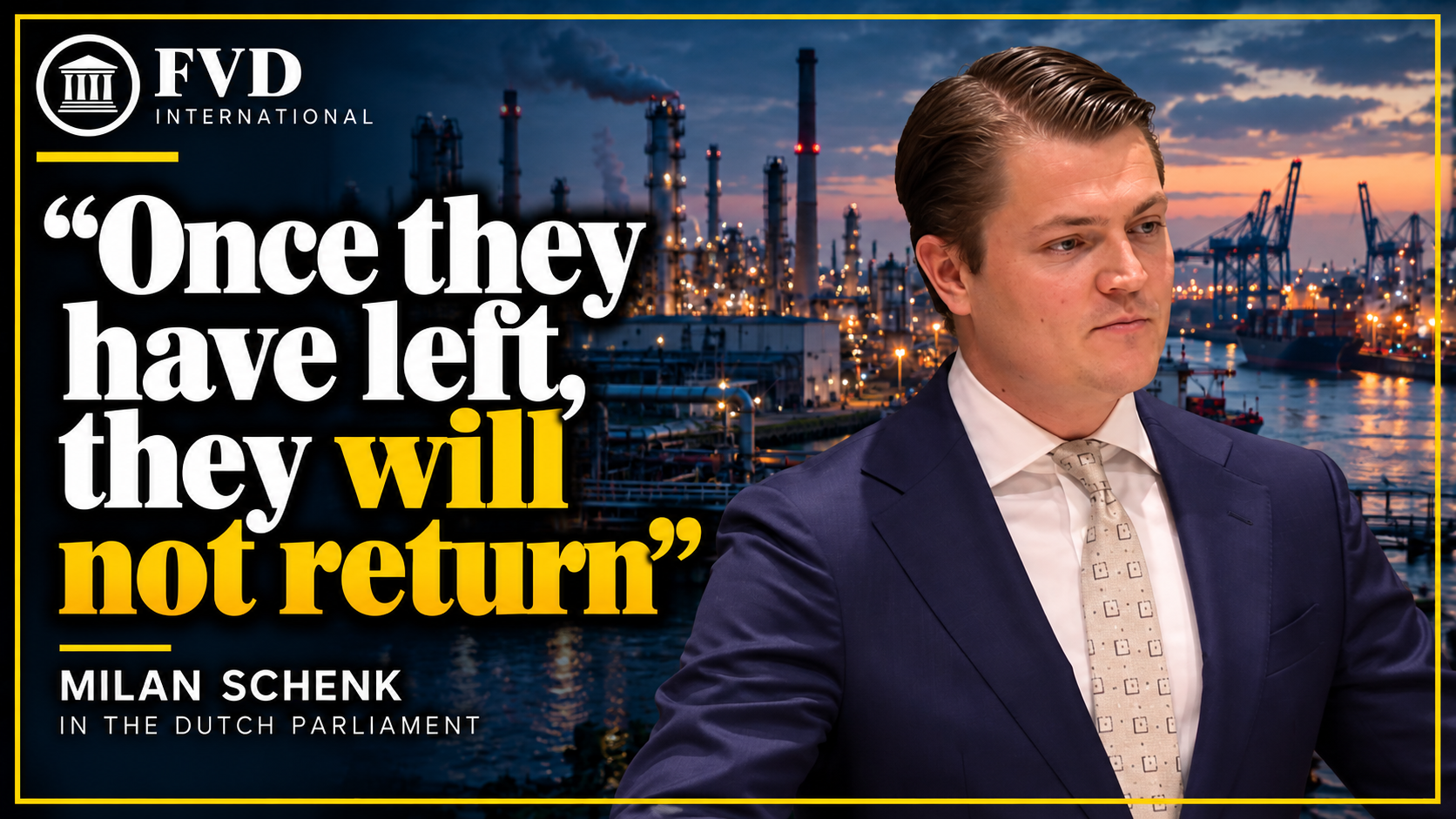
Project Fear Comes to the Netherlands
Thanks to FVD, the ‘Nexit’ issue is now being debated in Parliament. FVD wants the Netherlands to leave the EU. The ‘arguments’ against this demonstrate a horrible similarity with those deployed during the British Brexit debate.
All the old canards were wheeled out when Milan Schenk MP made a call for Nexit – companies will leave the Netherlands to relocate elsewhere, the Dutch Central Bank predicts economic collapse, there will be no sufficient access to capital, and so on and so on. Do these pro-EU MPs not know that Unilever, the historically Dutch company, relocated to London after Brexit; that the Bank of England made the same bogus predictions about Brexit; that you can be outside the EU but inside the single market (Norway, Iceland, Liechtenstein); that EU banking activity involving UK banking institutions in the City of London has risen by 60% since the 2016 Brexit referendum?
In other words, the trade and financial arguments against Nexit are nonsense on stilts.
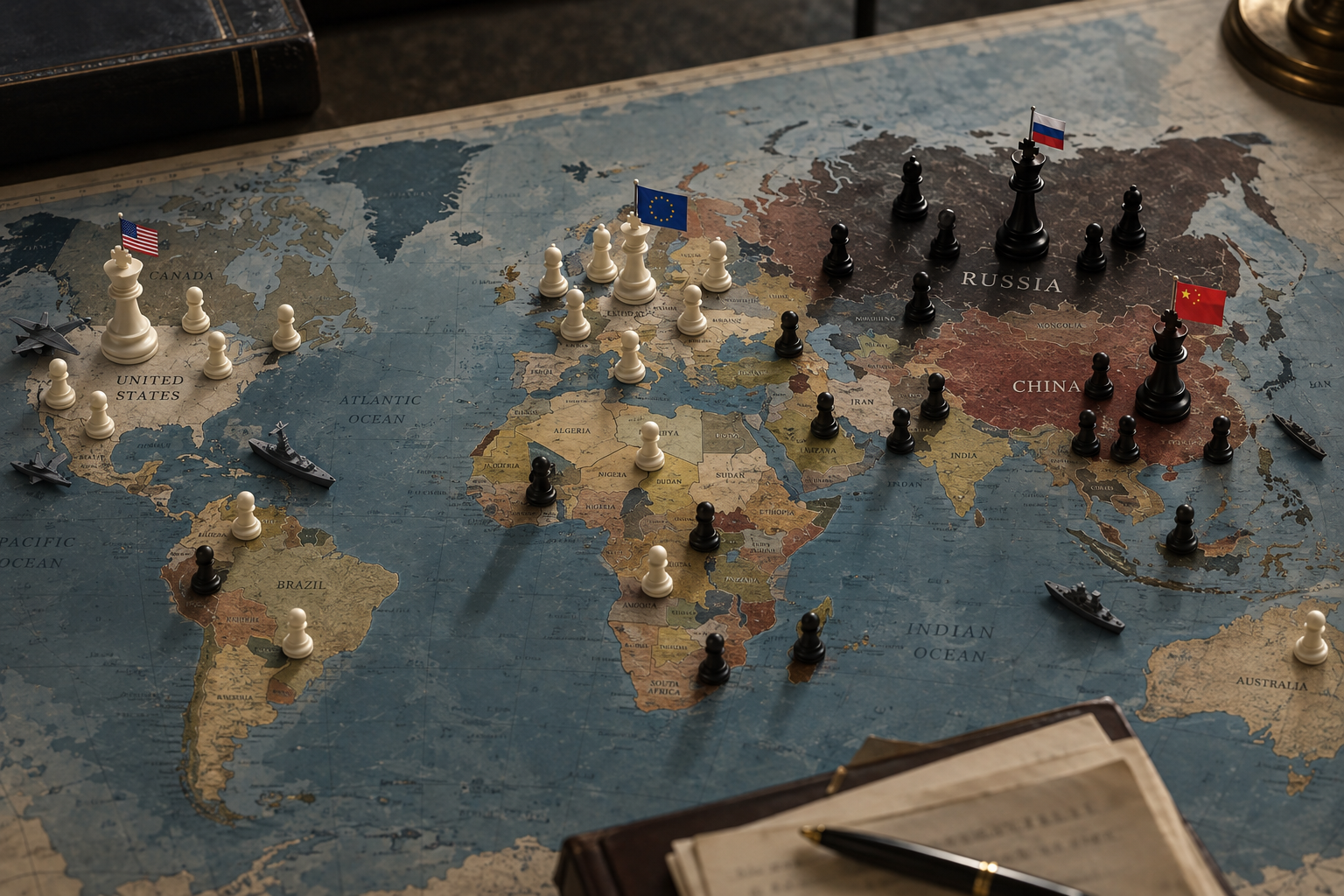
When Moralism Becomes a Geopolitical Disaster
Stefan Korte recently addressed the Traditional Britain Group conference in London at which John Laughland was due to speak but could not for medical reasons.
We are exclusively publishing Stefan Korte’s speech, which he himself kindly said John had inspired. It is an excellent text which lays out well how damaging moralism is when applied to geopolitics, especially with respect to the Ukraine war.
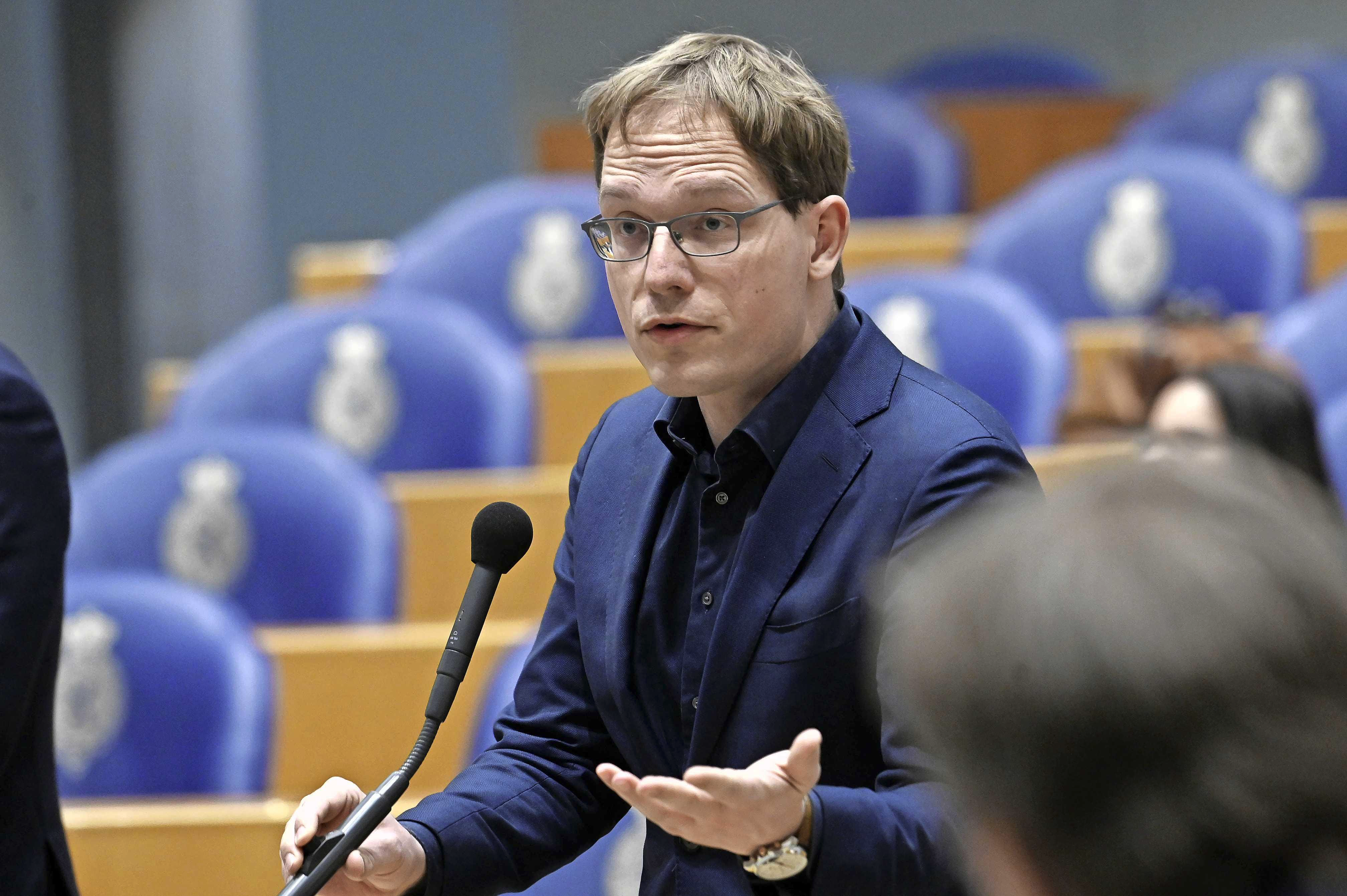
No Answers. Just Moral Superiority.
And speaking of moralism replacing realistic analysis, the Dutch government has confirmed that it is official policy to do so.
Pepijn van Houwelingen asked factual questions – ‘Has Russia attacked the Netherlands?’ – to which the government responded with moralistic verbiage about shared values. The correct answer would have been ‘No’. Meanwhile, the Dutch government, which sees hybrid aggression everywhere, says it does not know who attacked the Nord Stream gas pipeline (which was 9% owned by the Dutch company Gasunie).
Moralism deforms the brain so severely that our leaders refuse to give straight answers to simple questions. But the denial of reality is no basis for good policy - quite the contrary.
Read Pepijn van Houwelingen’s questions and the Dutch government’s answers →
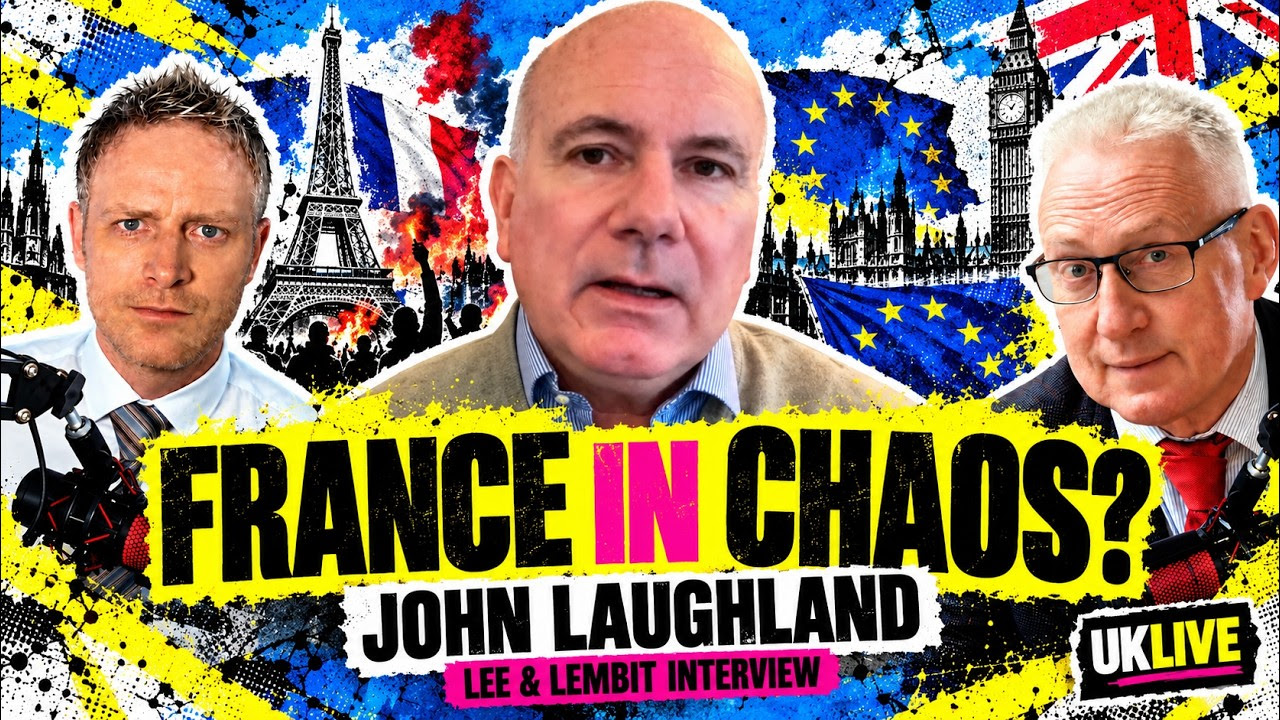
Riots, Immigration and France’s Political Future
John Laughland was interviewed by former UK MP Lembit Opik on UK Live this week.
They discussed the riots in France, the role of immigration in the disturbances, the likely outcome of the French presidential election next year and the comparisons between France and Britain.
Watch John Laughland's interview →
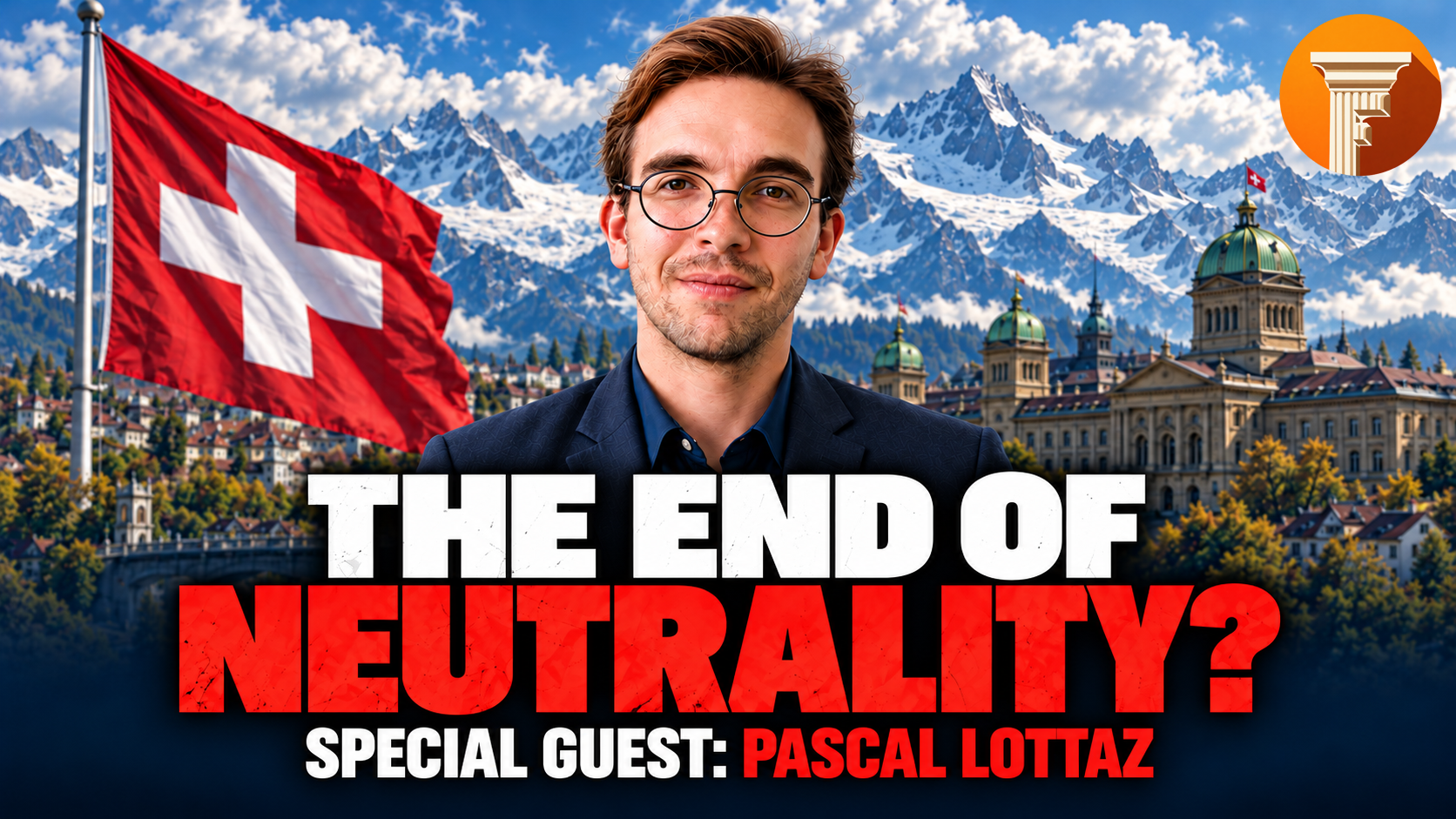
The Forum and Friends: The End of Neutrality?
Our guest on The Forum this week was the wonderful Pascal Lottaz, lecturer in politics at Kyoto University and founder of the Neutrality Studies podcast. We started talking about the recent Swiss referendum campaign which tried, unsuccessfully, to insert a definition of neutrality into the Swiss constitution which would have made it unlawful for Switzerland to wage economic warfare through sanctions.
The campaign was lost because the opponents of the change attacked their adversaries as ‘Putin lovers’. So what could have been a potentially interesting debate about the limits of neutrality, to which Switzerland remains attached, turned into school playground name-calling.
We also discussed Pascal’s recent attendance at an East-West summit in Istanbul. Its goal was to bring Europe back into the global conversation from which it has spectacularly removed itself over Ukraine. Now the fate of that sad country will be decided by the USA and Russia with the Europeans having precisely zero voice in the future of their own continent.