This past Sunday, April 3, the elections for the national parliament were held in Hungary. Since the 2018 elections, the opposition has been working towards this. Six parties, from the ultra-left to the extreme right, united in one alliance and appointed Peter Marki-Zay as the list leader. This thoroughly uncharismatic man was allowed to take on Viktor Orbán of Fidesz and expectations were particularly high.
Among many progressive left-liberal MEPs, this alliance could count on support. After all, in their eyes this was an excellent opportunity to get rid of Orbán, who in their eyes is a dictator. That the far-right Jobbik was in the alliance, they took for granted (Jobbik had become Hungary's second party in 2018 with 26 percent of the vote).
A week before the election, the alliance saw its chances dwindle and accused Fidesz of unfair competition. That they themselves had sent an unauthorized "text message bomb," even to people who had indicated that they did not want it, interested neither the alliance nor the MEPs who supported them.
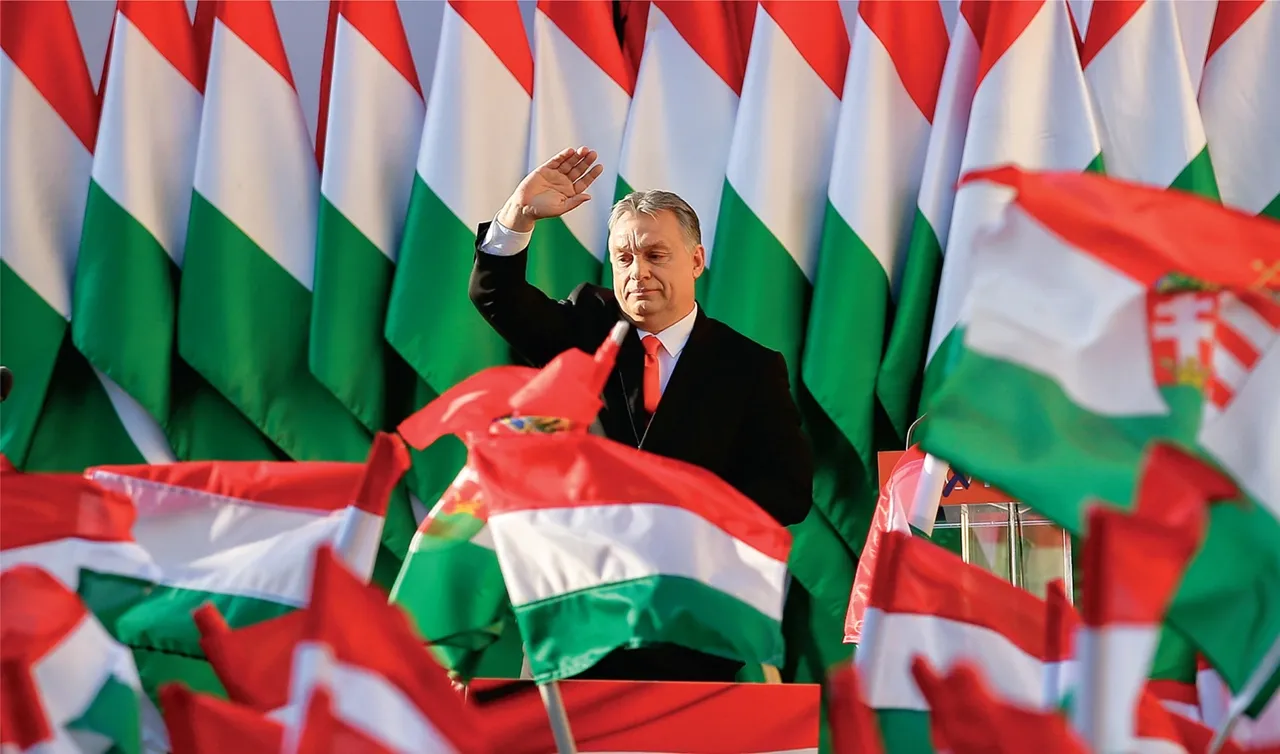
April 3 was election day in Hungary. The day was somewhat overcast and sticky wet snow lined the streets when Orbán cast his vote early in the morning. As the day passed, the sun came through, literally, but also figuratively: Fidesz smelled victory, but how big would the win be? Would they achieve a two-thirds majority as they did last time? At 19:00, the polling stations closed and the counting began. Of course, the first results came from the smaller municipalities, and traditional as they were, Fidesz had the advantage there. But as the evening went on, it turned out that the larger municipalities also voted massively for Orbán. Even in the municipality where Marki-Zay is mayor, Fidesz won – quite a blow to the alliance.
The final result was stunning. With 54 percent of the vote, Orbán not only had the two-thirds majority, but even won a bigger victory than in 2018. The victory march could commence, and Orbán's speech was telling: "Despite the alliance of six, despite the funds of Soros and the support of progressive left liberal EU, Hungarians have chosen. Hungary remains for the Hungarians and the Hungarians are pro-family and conservative!”.
Of course, the reaction from several MEPs was inevitable, such as Sophie in 't Veld, who even dared to claim on Twitter that the elections were fraudulent. Of course, this is categorically false and the OSCE members present confirmed this. The diplomatic incompetence of Mark Rutte, who has not even congratulated Orbán yet, is also staggering. The reaction of leftist liberals is telling: democracy is only good where the progressive, liberal agenda is implemented. Conservative democracy is not possible in their eyes, but why?
On 5 April, Ursula Von der Leyen started proceedings against Hungary to stop EU funds from being allocated to Hungary. Two days after the elections! It seems that they had prepared for the elections; had the outcome been favorable to them (read: progressive), Hungary would have received the funds. However, now that the conservatives have won ... The EU has greatly tipped its hand, providing fuel for the Hungarian elections in 2026. It is expected that the alliance will have fallen apart by then.
It is estimated that the party that came in second in 2018, Jobbik, suffered the biggest loss by joining the alliance. Jobbik's participation in the alliance likely won Fidesz votes. In addition, Jobbik's participation in the alliance was not without its problems. Jobbik candidate Dora Duro and her supporters split off and started the movement Mi Hazank (Our Fatherland). This conservative-nationalist party has now overnight become Hungary's third party, obtaining seven seats.
In short, Hungary has chosen to support native families, native homes, and its native sovereign country. In doing so, Hungary remains the cradle for traditional conservatives in Europe.
Related articles
 Politics
Is a reduction in gas tax impossible due to a European agreement, or are there more hidden rules at play?
 Politics
Blurring the line between alleged extremism and legitimate viewpoints threatens to narrow public debate
 Politics